
Die Bedeutung von Feuerschiffen in der Seefahrt
Feuerschiffe haben eine lange und faszinierende Geschichte in der Seefahrt. Diese speziellen Schiffe wurden eingesetzt, um wichtige Standorte auf See zu markieren und dienten als schwimmende Leuchttürme. Sie spielten eine entscheidende Rolle in der Sicherung der Seewege und der Navigation, besonders bevor moderne Technologien wie GPS verfügbar waren.
Historische Entwicklung der Feuerschiffe
Die Geschichte der Feuerschiffe reicht bis ins Mittelalter zurück. Sie wurden ursprünglich entwickelt, um Schiffe vor gefährlichen Untiefen, Riffen oder anderen Gefahren in Küstennähe zu warnen. Die ersten Feuerschiffe waren einfache Schiffe, die mit großen Feuern an Bord ausgestattet waren, um bei Nacht sichtbar zu sein. Diese frühen Versionen hatten jedoch viele Nachteile, wie die ständige Gefahr von Feuer an Bord.
Technische Merkmale und Ausstattung
Im Laufe der Zeit entwickelten sich Feuerschiffe weiter. Sie wurden mit fortschrittlicheren Leuchtfeuern, Nebelhörnern und später auch mit Funktechnologie ausgestattet. Die Leuchtfeuer waren oft in hohen Masten montiert, um eine weite Sichtbarkeit zu gewährleisten. Zudem waren Feuerschiffe so konstruiert, dass sie auch bei rauer See stabil blieben und ihre Position beibehalten konnten.
Die Rolle der Besatzung
Die Besatzung eines Feuerschiffs hatte eine wichtige und oft herausfordernde Aufgabe. Sie waren für die Wartung des Leuchtfeuers, die Überwachung der Schiffssysteme und die Kommunikation mit vorbeifahrenden Schiffen verantwortlich. Das Leben an Bord war oft isoliert und schwierig, da die Schiffe monatelang an einer Stelle verankert blieben.
Feuerschiffe in der modernen Seefahrt
Mit dem Aufkommen moderner Navigationshilfen haben Feuerschiffe an Bedeutung verloren. GPS-Systeme und automatisierte Leuchttürme haben die Notwendigkeit von bemannten Feuerschiffen größtenteils ersetzt. Dennoch spielen sie in einigen Teilen der Welt weiterhin eine Rolle, insbesondere in Gebieten, wo moderne Technologie nicht zuverlässig ist oder wo zusätzliche Navigationshilfen erforderlich sind.
Erhaltung und kulturelles Erbe
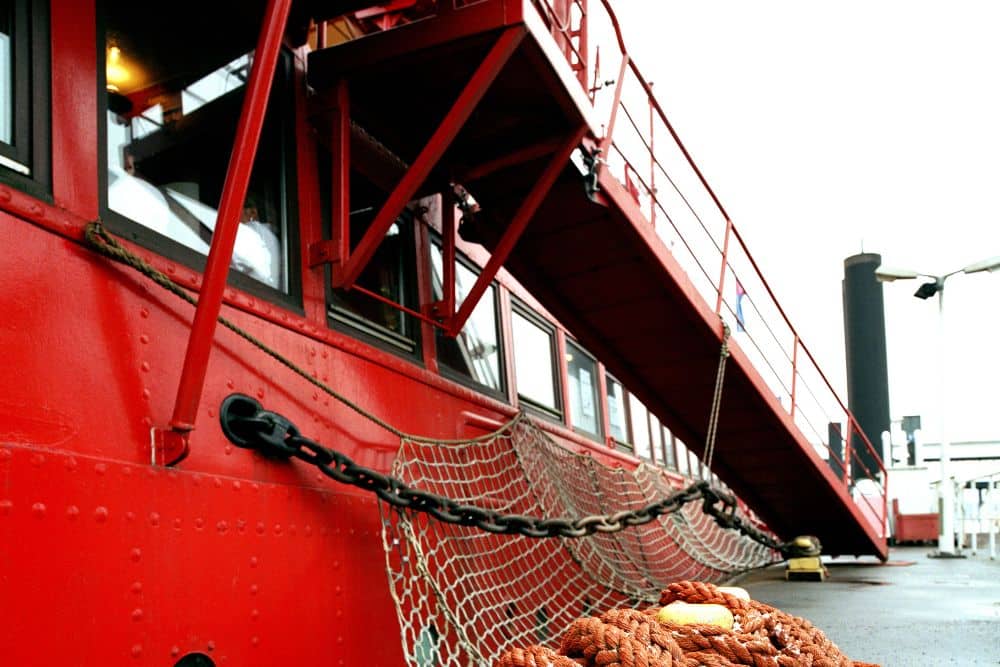
Viele der historischen Feuerschiffe sind heute Museen oder Touristenattraktionen. Sie bieten einen Einblick in die maritime Geschichte und die Entwicklung der Seefahrt. Die Erhaltung dieser Schiffe ist wichtig, um das kulturelle Erbe und die Geschichte der maritimen Navigation zu bewahren.
Feuerschiffe in der Literatur und Kultur
Feuerschiffe haben auch ihren Weg in die Literatur und Kultur gefunden. Sie werden oft als Symbole der Hoffnung oder als einsame Wächter der Meere dargestellt. In Geschichten und Gedichten symbolisieren sie häufig die menschliche Beharrlichkeit und die Verbundenheit mit dem Meer.
Obwohl Feuerschiffe in der modernen Seefahrt an Bedeutung verloren haben, bleibt ihre historische Bedeutung unbestritten. Sie sind ein faszinierender Teil der maritimen Geschichte und trugen wesentlich zur Sicherheit und Entwicklung der Seefahrt bei. Ihre Erhaltung als kulturelles Erbe ist wichtig, um die Geschichte der Seefahrt und die technologischen Fortschritte, die sie ermöglichten, zu würdigen.
Stichpunkte zu Feuerschiffen
- Feuerschiffe dienten als schwimmende Leuchttürme zur Markierung wichtiger Positionen auf See.
- Sie wurden ursprünglich entwickelt, um vor Untiefen, Riffen und anderen Gefahren zu warnen.
- Frühe Feuerschiffe waren mit großen Feuern an Bord ausgestattet, später mit fortschrittlicheren Leuchtfeuern.
- Feuerschiffe waren oft mit Nebelhörnern und Funktechnologie ausgestattet.
- Die Besatzung war verantwortlich für die Wartung des Leuchtfeuers und die Kommunikation mit anderen Schiffen.
- Mit der Einführung moderner Navigationshilfen wie GPS haben Feuerschiffe an Bedeutung verloren.
- Viele historische Feuerschiffe sind heute Museen oder kulturelle Attraktionen.
- Feuerschiffe spielen in der Literatur und Kultur oft symbolische Rollen.